


The Ultimate Guide to Sugar Mill Chains & Sprockets: Maximizing Uptime
 Feb 09, 2026|
 View:1410
The Ultimate Guide to Sugar Mill Chains & Sprockets: Maximizing Uptime
Abstract: The successful operation of a sugar mill hinges on the relentless reliability of its most fundamental components: the chains and sprockets that form the backbone of material handling and power transmission. Operating in some of the most abrasive and corrosive environments in industry, these components face a unique set of challenges that vary dramatically across the world's sugarcane-growing regions—from the humid, monsoon-fed fields of Southeast Asia to the arid, irrigated plantations of North Africa. This definitive guide provides sugar mill operators, chief engineers, and procurement managers with a deep technical understanding of chain and sprocket selection, maintenance, and the critical importance of partnering with a manufacturer possessing global experience. We will explore material science, advanced designs like segmental sprockets, region-specific challenges, and a rigorous off-season protocol, empowering you to maximize uptime and optimize the total cost of ownership for your drive systems.
Introduction: The Nexus of Global Sugar Production and Mechanical Drive Reliability
Sugar production is a global enterprise with a localized heartbeat. The harvest season, while year-round globally, is an intense, round-the-clock campaign for each individual mill. A chain failure on a primary cane carrier in Brazil, Thailand, or Louisiana carries the same catastrophic consequence: exorbitant downtime costs. However, the root cause of failure can be vastly different- corrosion may be the primary enemy in Indonesia, while pure abrasion wears down components in Egypt. This guide moves beyond generic advice to provide a nuanced, globally-aware framework for selecting and maintaining the chains and sprockets that your operation's profitability depends on.

Part 1: Deconstructing the Hostile Environment – A Regional Perspective
The operating conditions for sugar mill drives are universally harsh, but the dominant failure mode is dictated by geography and local processing methods.
The Humid Corrosive Grind (Southeast Asia - Indonesia, Thailand, India, etc.): Mills in these regions battle constant high humidity and frequent exposure to water during washing and transport. The combination of acidic cane juice and water creates a highly corrosive environment. Here, corrosion is often the primary initiator of failure. Rust pits on chain pins and link plates create stress concentrators that accelerate fatigue and wear, while also destroying the precise tolerances of sealing surfaces. Abrasion from bagasse then acts on this already compromised surface, leading to accelerated material loss.
The Arid Abrasive Assault (North Africa - Egypt, Sudan, etc.): In contrast, mills in drier climates face a more direct battle against abrasion. With less ambient moisture, the corrosive element is reduced, but the abrasive nature of sand, dust, and dry bagasse becomes the overriding concern. The primary wear mechanism is the grinding action of these abrasives, which rapidly wears down chain pins, bushings, and sprocket teeth, leading to chain elongation (pitch stretch) and loss of precise engagement.
The High-Impact, High-Load Core (Universal): Regardless of location, the core of the mill—the cane preparation and milling tandem—subjects drives to extreme tensile and impact loads. The shock loads from uneven cane feeding and the immense torque required for juice extraction demand components with exceptional tensile strength and impact resistance.
Part 2: The Anatomy of Excellence: Materials, Design, and Advanced Engineering
Surviving these conditions requires a sophisticated approach to materials science and mechanical design. Off-the-shelf industrial components are destined for premature failure.
2.1. Chain Technology: Combatting Wear and Corrosion
The modern sugar mill chain is a marvel of engineering designed to counter specific threats.
High-Strength Alloy Steel Bodies: The core link plates, pins, and bushings are typically manufactured from heat-treated alloy steels (e.g., grades equivalent to 40Cr, 42CrMo). These provide the necessary high tensile strength and base toughness to withstand peak loadings without yielding or fracturing.
Advanced Heat Treatment for Wear Resistance: To combat abrasion, critical components undergo specialized hardening processes. Case hardening (or carburizing) is particularly effective, creating an extremely hard, wear-resistant outer surface (e.g., HRC 58-62) while maintaining a tough, ductile core that absorbs impact shocks. This prevents surface deformation and grooving that leads to rapid failure.
The Corrosion Defense Strategy: Stainless Steel Components and Sealing: For mills in humid and corrosive environments, a robust defense is required. While building entire chains from stainless steel can be cost-prohibitive, a highly effective solution is the use of stainless-steel bushings. By utilizing a stainless steel bushing against a hardened alloy steel pin, the corrosion resistance is dramatically improved at the most critical wear interface. This is complemented by high-performance seal systems (such as O-rings or labyrinth seals) that prevent corrosive liquids and abrasive slurries from entering the internal pin/bushing clearance, preserving the lubricant and drastically extending service life.
2.2. Sprocket Evolution: The Rise of Segmental and Split Designs
The sprocket must be precisely matched to the chain. The traditional one-piece sprocket, while robust, presents a significant maintenance challenge: replacement requires disassembling the entire shaft, a time-consuming and expensive process that causes extended downtime. This led to the development of advanced segmented designs.
Segmental Sprockets (Multi-Piece Rim): This design features a sturdy, permanent center hub that is mounted to the shaft. The tooth rim is manufactured in multiple segments (typically 3 to 6 pieces) that are bolted onto this hub. The primary advantage is revolutionary maintenance efficiency. When teeth become worn, only the affected segments need replacement, without disturbing the hub or the shaft. This reduces replacement time from days to hours, a critical benefit during the short harvest season. SHINING's MSS37291SEG-C-22T sprocket is a prime example of this advanced, user-friendly design.

SHINING MSS37291SEG-C-22T Sprocket
Split Sprockets (Two-Piece): A variation of the segmented concept, the split sprocket is divided into two halves. This design is ideal for applications where the sprocket is located in the middle of a long shaft, making traditional removal impossible without complete shaft disassembly. The two halves are fitted around the shaft and bolted together, creating a solid unit. While not as easily serviceable as a segmental design for partial tooth wear, it eliminates the need for complete disassembly during a full sprocket replacement.
Both designs offer unparalleled advantages in maintenance planning and downtime reduction, representing a smart investment in operational efficiency.
Part 3. A Detailed Guide to System Selection by Mill Section
Understanding the distinct demands of each mill section is crucial for optimal component selection and life cycle cost.
Cane Carriers (Primary and Intermediate) are the first point of entry, facing extreme impact loads from grab loaders and the abrasive nature of soil-covered cane. Chains here, such as the heavy-duty SHINING 2184 or 1706 series, must possess supreme impact strength and high tensile strength. Matched sprockets, like our 2184-B-12T, require robust, induction-hardened teeth on a forged steel body to handle the shock loading. Sealing is less critical here due to wash-down, but the metallurgy must be exceptional.

SHINING 2184 Chain

SHINING 2184-B-12T Sprocket
Mill Tandem Drives are the heart of the mill, transmitting immense torque. This is the domain of the strongest mill-duty chains, where every component is optimized for high tensile strength and fatigue resistance. This is also the ideal application for Segmental Sprockets. A sprocket like the SHINING MSS37291SEG-C-22T allows for the replacement of worn tooth segments during short maintenance windows without dismantling the massive drive shafts, safeguarding the mill's crushing capacity.
Bagasse Conveyors present the purest challenge of abrasion. The dry, fibrous bagasse acts like a grinding paste. Chains and sprockets in this section require maximum abrasion resistance. Case-hardened chains are ideal. Sprockets must have a high surface hardness on the teeth to resist the wear caused by the hardened chain. Models like the SHINING 09063 chain and its matched sprocket are engineered for this specific, high-wear environment.
Mud Drags and Wet Applications combine abrasion with severe corrosion. Here, the strategy shifts to corrosion resistance. This is where the use of stainless-steel bushings in chains becomes critical. Sprockets may be sourced from stainless steel or supplied with specialized corrosion-resistant coatings to prevent galvanic corrosion and resist the chemical attack from mud and acidic residues.
Part 4. The Off-Season: A Strategic Opportunity for Reliability
The end of the harvest is not a shutdown but a strategic window for ensuring the next season's success.
Immediate Post-Season Action: Components must be thoroughly cleaned to remove all sugar, mud, and bagasse residues, which are hygroscopic and attract moisture, accelerating corrosion during storage.
Detailed Inspection and Measurement: Every chain should be checked for elongation (using a stretch gauge), and each link inspected for cracks or wear. Sprockets, especially segmental ones, should be inspected tooth-by-tooth for hooking or wear patterns.
Preservation and Storage: After cleaning and drying, a heavy-duty rust preventative should be applied. Chains and sprocket segments should be stored indoors, off the ground, in a dry environment.
Strategic Procurement: The off-season inspection generates a definitive bill of materials for the next year. Partnering with a manufacturer like SHINING allows for early procurement, avoiding seasonal rushes and ensuring availability of specific models like the 09063 or 698 series chains and their corresponding sprockets.

Conclusion: Partnering with a Global Expert for Localized Success
The selection of sugar mill chains and sprockets is a complex decision that impacts every aspect of operational efficiency and profitability. It requires a partner that understands not just metallurgy, but the distinct challenges faced by a mill in Thailand versus one in Egypt.
SHINING brings over two decades of global OEM experience to this challenge. We understand that a chain for a humid Indonesian mill may require a different material and sealing strategy than one for a dry Egyptian plant. We offer a comprehensive range of proven products—from the 2184 and 1706 series for heavy-duty carriers to the 09063 for abrasive conveyors, coupled with advanced solutions like the MSS37291SEG-C-22T segmental sprocket. More importantly, we provide the expertise to customize these solutions, ensuring you get not just a component, but a guaranteed increase in reliability and productivity.
Ready to Optimize Your Drive System?
Contact the SHINING technical team today at sales@shiningco.com. Provide us with your mill's location, specific application challenges, and current pain points. Let us demonstrate how our global experience translates into localized reliability for your operation.


Recommended Products
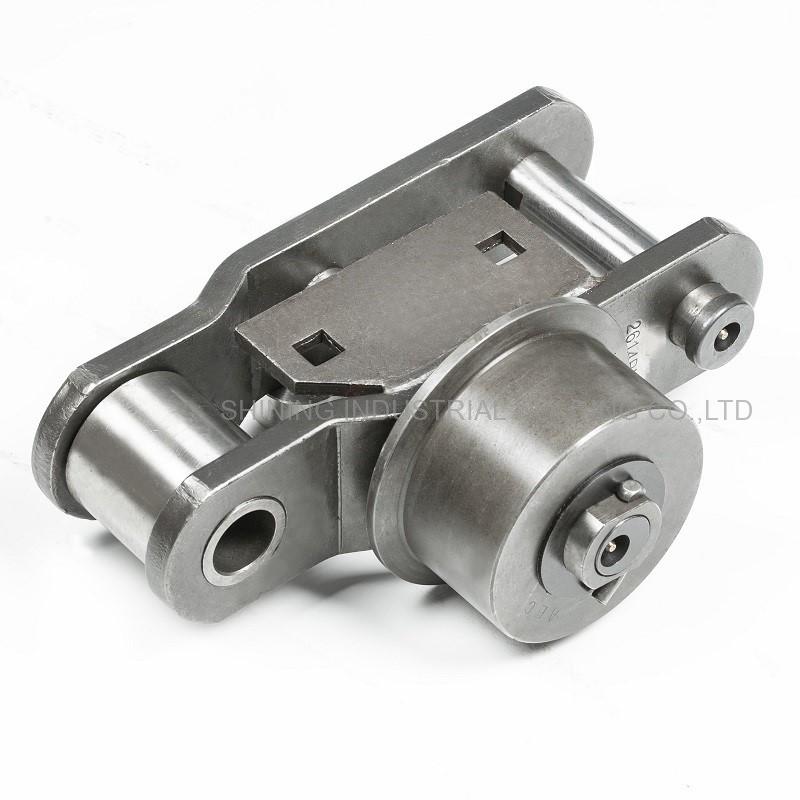
2614 COBRA series main carrier conveyor chains for sugarcane
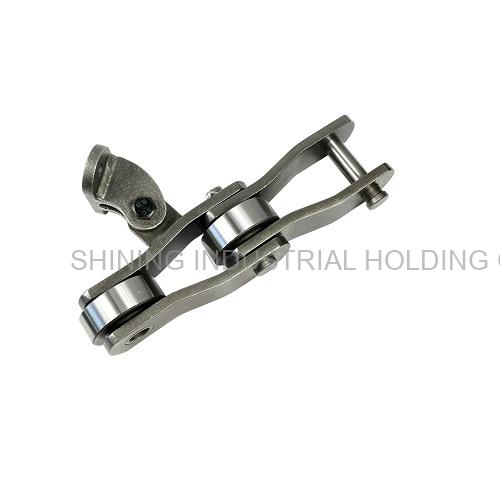
9185 sugar mill roller chain
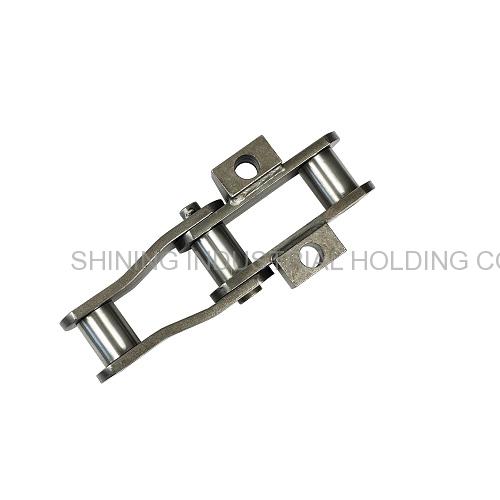
Heavy duty chains for sugar mills
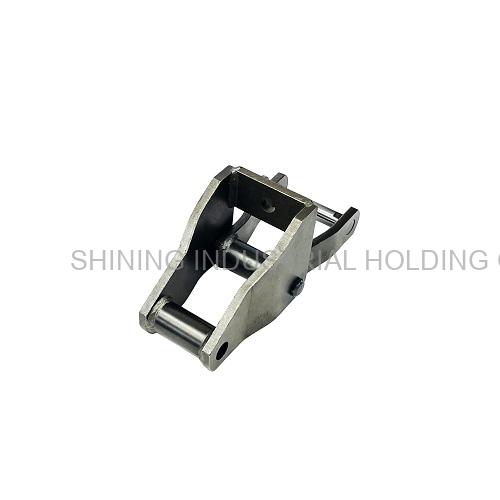
WHX132 chain with S11 for sugar mill

2198 sugar mill chain with K2 attachment

4103 sugar mill chain with A29 attachment

P153.67 5002 FG35 E4P sugar mill chain

2184 sugarcane chain with A42 attachment

2184 sugar mill chain

09063-C-14T Split Sprocket: Precision Drive Solution for Sugar Mill Chains


Recent News
1.General maintenance and inspection of sugar mill chains
2022-02-172.Enhancing Sugar Mill Efficiency: Chain Technology and Maintenance Strategies
2024-08-283.Advantages of SHINING Sugar Chain 2184
2024-09-124.SHINING Sugar Chain: Defying Limits with 3-Season Durability!
2025-03-045.The Essential Role of Conveyor Chains in Sugar Production
2025-01-136.Sprockets machining process
2022-04-287.Wear analysis and installation instructions of sprockets
2022-04-228.The custom sprocket manufacturer tell you the difference between casting and forging
2022-09-239.Applications and Advantages of Sprockets in Mechanical Transmission
2024-07-1010.Discover the Advantages of SHINING's Split and Segmental Sprockets
2024-10-08


