


The Essential Role of Conveyor Chains in Sugar Production
 Jan 13, 2025|
 View:2658
The Essential Role of Conveyor Chains in Sugar Production
In the sugar industry, conveyor chains are indispensable, ensuring the efficient transport of raw materials, intermediate products, and finished goods throughout the production process. These chains serve a vital purpose, moving sugar cane, bagasse, and processed sugar seamlessly and reliably, which is crucial for sustaining productivity in a high-demand environment.
Applications of Conveyor Chains in Sugar Mills
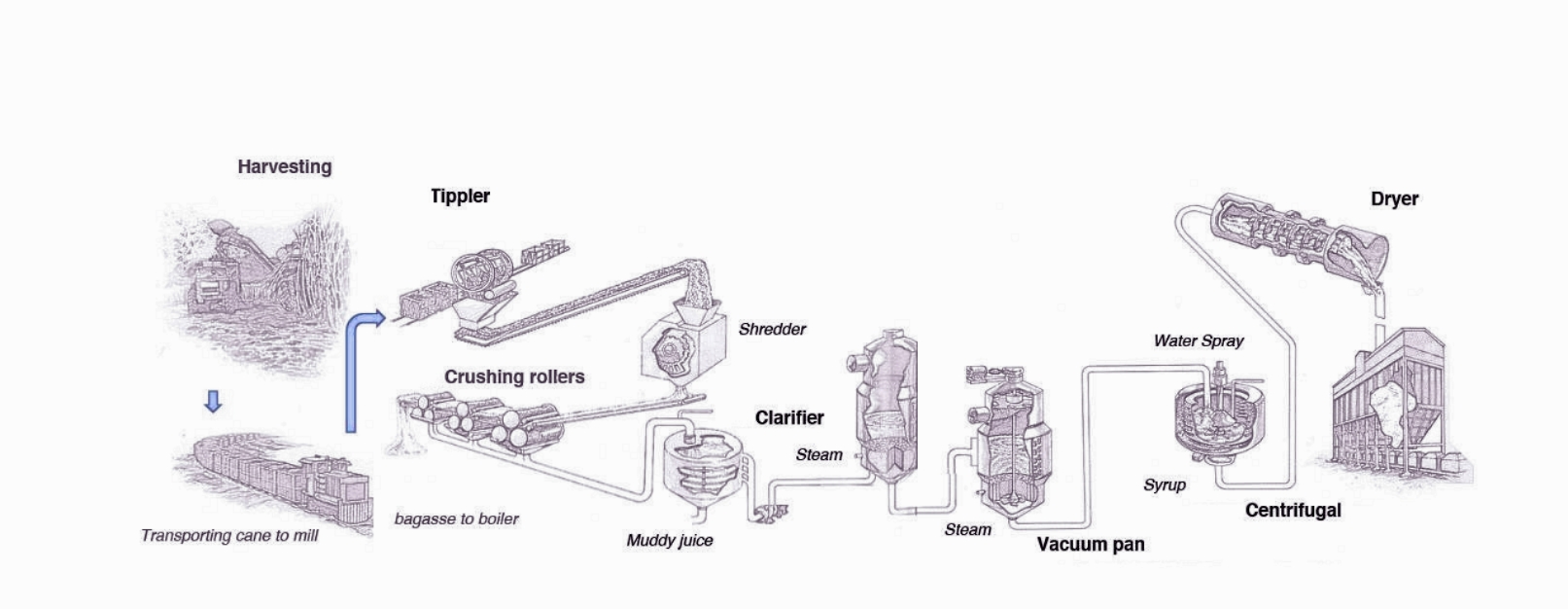
One prominent use of conveyor chains in sugar manufacturing occurs during the extraction phase. After harvesting, sugar cane is transported to the mill, where it undergoes multiple stages, including crushing, juice extraction, boiling, and crystallization.
During the crucial crushing and juice extraction stages, robust conveyor chains are employed to transport sugar cane from the unloading area to the crushing mills. These chains are engineered to endure substantial loads and resist wear from abrasive substances such as cane stalks and dirt. Their design is critical, allowing for smooth, uninterrupted movement that maintains continuous operation.
For instance, at a large sugar mill in Indonesia, specially engineered welded conveyor chains are built to withstand the intense pressures, abrasion, and high humidity common in sugar production environments. Here, the cane is fed into rollers for juice extraction, while the resulting fibrous material, or bagasse, is efficiently transported away by another conveyor system, both driven by these essential chains. This streamlined flow of materials minimizes bottlenecks and supports an efficient production process.
As sugar cane is processed into raw and refined sugar, different types of chains, such as cast or engineering chains, are utilized in subsequent stages to move products like granulated sugar or syrup to packaging stations or storage areas. The durability of these chains is vital for managing significant volumes of materials under the high-temperature and high-moisture conditions prevalent in sugar facilities.
Conveyor chains also play a role in the bagging and packaging processes. They transport bags of processed sugar to packaging areas where they are sealed and prepared for shipment. These chains are designed to handle the substantial weight of the bags while ensuring efficient movement through the packaging system.
Key Benefits of Conveyor Chains in the Sugar Industry
·Durability: Conveyor chains in sugar mills are subjected to heavy loads, abrasion, and high humidity. Utilizing high-quality, corrosion-resistant materials, such as stainless steel or specially coated alloys, ensures these chains endure harsh conditions over extended periods.
· Efficiency: By automating material transport, conveyor chains enhance the speed and efficiency of sugar production, reducing reliance on manual labor and minimizing downtime.
· Adaptability: Various types of conveyor chains—welded, forged, and cast—can be employed across different stages of sugar production, tailored to meet the specific needs of each application.
· Cost-Effectiveness: Investing in durable, high-quality conveyor chains reduce the frequency of replacements, ultimately lowering long-term operational costs.
In conclusion, conveyor chains are a critical element in modern sugar production, optimizing the movement of raw materials and products. This optimization helps manufacturers enhance throughput and maintain a consistent production flow.
With over 20 years of expertise in the sugar mill conveyor chain industry, SHINING is committed to sharing valuable insights with our partners and clients. For more information, please visit our website at www.shiningco.com or contact us directly.
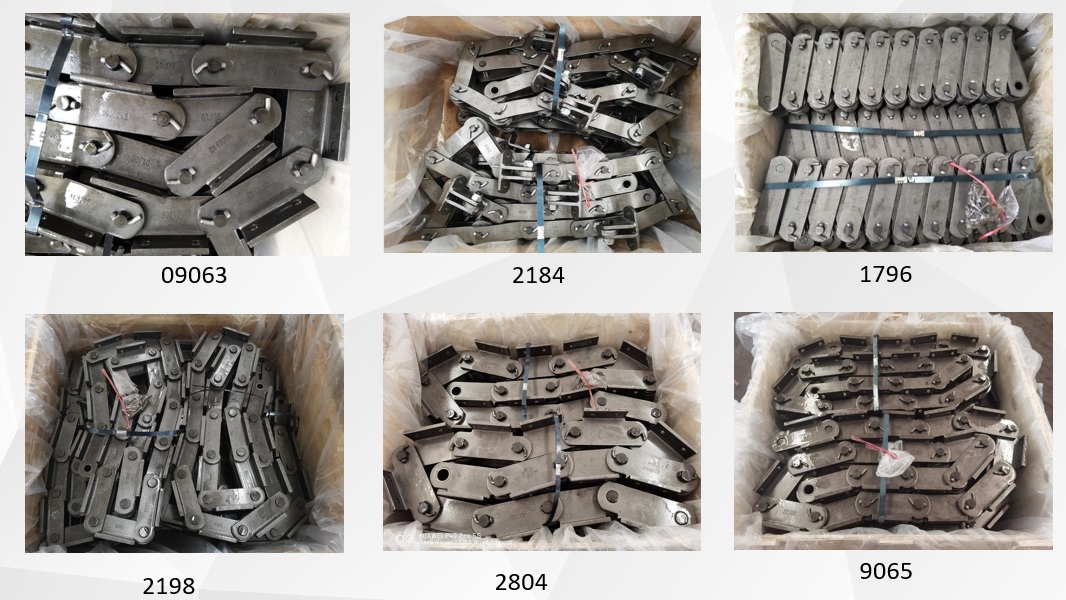


Recommended Products

2184 Series Sprocket
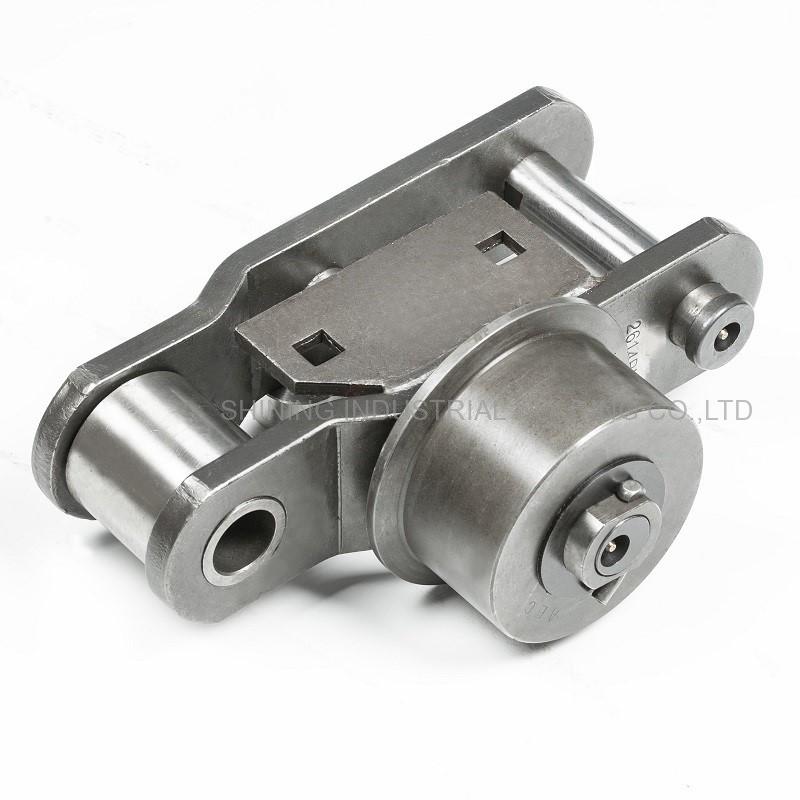
2614 COBRA series main carrier conveyor chains for sugarcane
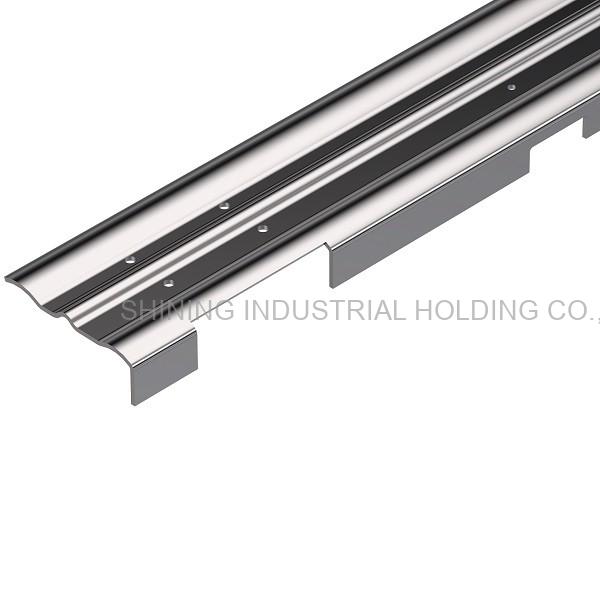
Slat for sugarcane conveyor chains
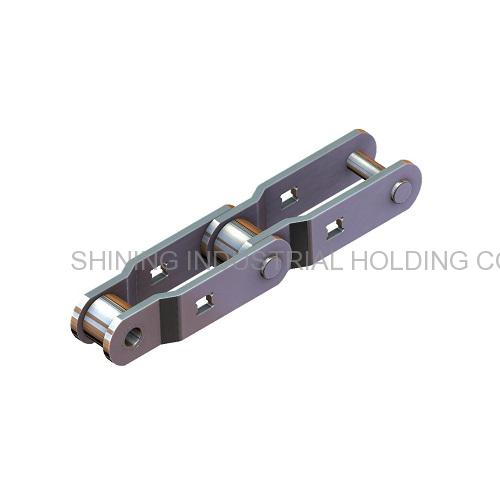
P304.8 Cranked-Sidebar Sugar Mill Conveyor Chain
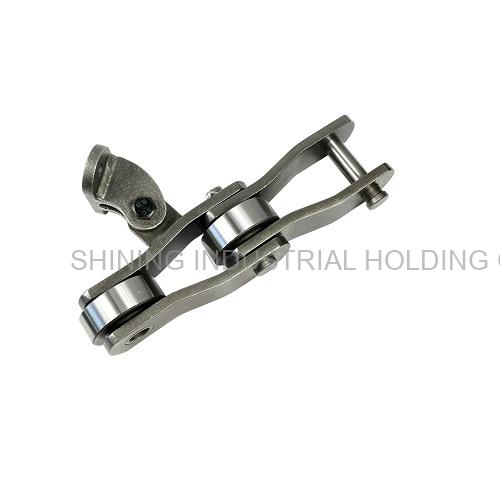
9185 sugar mill roller chain
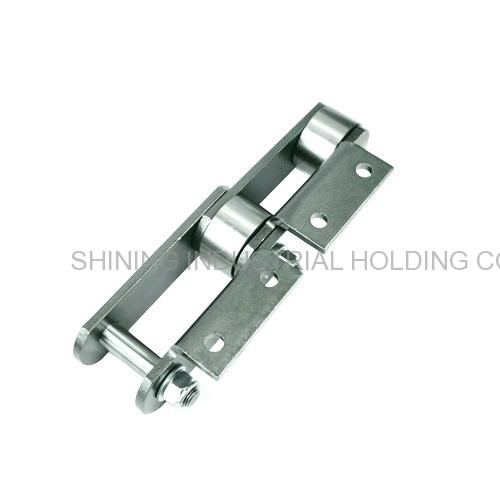
P152.4 sugar mill chain with A2
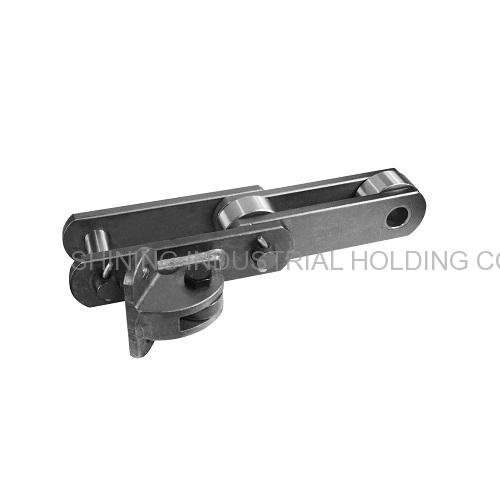
1209 sugarcane bagasse carrier chain with 2C
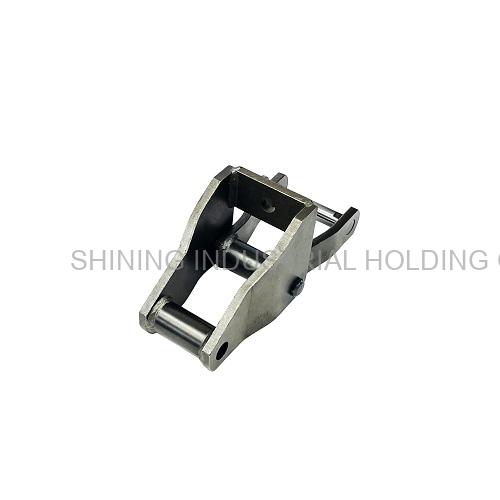
WHX132 chain with S11 for sugar mill

2198 sugar mill chain with K2 attachment
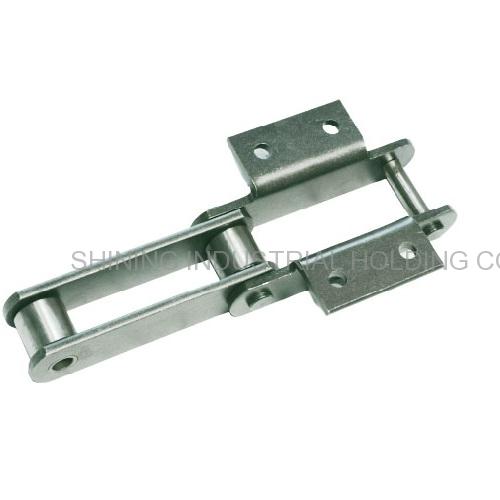
P101.6 bush chain for sugar mill


Recent News
1.General maintenance and inspection of sugar mill chains
2022-02-172.Why sugar mill chain is the most popular product in SHINING?
2023-09-143.Enhancing Sugar Mill Efficiency: Chain Technology and Maintenance Strategies
2024-08-284.Advantages of SHINING Sugar Chain 2184
2024-09-125.SHINING Sugar Chain: Defying Limits with 3-Season Durability!
2025-03-04


