


How to Identify a Sugar Mill Chain Without a Drawing
 Nov 19, 2026|
 View:14
A worn chain arrives in the workshop with no tag, no part number and no drawing. The team knows it came off a cane carrier or an intermediate conveyor, but nobody can confirm the pitch, the attachment form or the load rating. A sugar mill chain ordered on a guess can take weeks to arrive and still fail to fit. This guide explains how to identify a sugar mill chain from the physical part itself — the measurements that matter, the station clues that narrow the search, and the data a manufacturer needs before it can quote a replacement.
Fast answer: Most intermediate carriers in the 1131-to-2184 family run on a 152.4 mm pitch, with minimum tensile strength from 209 kN to 450 kN, so matching pitch alone does not confirm the load rating of a sugar mill chain.
Key Takeaways
Pitch is the first measurement, but several families of sugar mill chain share a 152.4 mm pitch at very different load ratings.
Pin diameter, bush outside diameter, inside width and plate height must be measured, not estimated from a photograph.
Attachment form and spacing (A42, A29, K2, F-style, 2C) determine whether the slats or baskets will fit.
The station the chain came from — carrier, feeder table, juice strainer or cush-cush elevator — narrows the choice quickly.
A short worn sample plus a few measurements is usually enough for a manufacturer to quote and reverse-engineer a like-for-like replacement.
Why a Sugar Mill Chain Is Hard to Identify by Sight
Sugar plants are wet, fibrous and mildly acidic. Mixed juice, wash water and bagasse constantly wash over the chain, and cane fibre packs between the plates and around the pins. Within one crushing season the surface rusts, the stamped part number is polished away, and the attachments bend or wear. What is left in the workshop often looks like any other heavy conveyor chain.
The problem is larger than appearance. Mills frequently run equipment from several OEMs, some of it decades old, so the original chain may not match any current catalogue. Two chains with the same nominal pitch can carry very different loads, and two chains of the same load can carry completely different attachments. Identification therefore means measuring geometry first and using the model number only as a cross-check.
Five Measurements That Identify a Sugar Mill Chain
Work on a clean, straight section of the old chain, preferably the tension side near the drive. Take each measurement at several points and record the average. A single worn link can give a misleading reading.
1. Pitch — measure across ten links
Pitch is the distance from one pin centre to the next. Measuring ten pitches at once and dividing by ten reduces the error from wear and manufacturing tolerance. Compare the result with the nominal value rather than assuming it: a chain that has elongated in service will read high. On sugar carriers and intermediate carriers, 152.4 mm is common, but treat it as a starting point, not a conclusion. Published dimensional standards for conveyor chains and attachments explain how pitch, attachments and sprockets relate, which is useful when checking an unfamiliar part.
2. Pin and bush diameters
Measure the pin diameter and the bush or roller outside diameter with a caliper. These two figures separate chains that look identical in a photograph. Because wear reduces the pin and opens the bush, take readings from several links and note the smallest pin and the largest bush; the original dimensions can then be inferred and confirmed against a product table.
3. Inside width and plate height
Inside width between the sidebars and the height and thickness of the sidebars decide whether the chain will sit correctly in the track and carry the intended load. On forged rivetless families such as 698HT, the centre-link height is a useful identifier after the pin has worn down.
4. Attachment type and spacing
Write down the attachment shape — A, K, F, 2C or a special bracket — and count how many pitches sit between attachments. A42, A29 and K2 attachments all appear on sugar equipment, and swapping one for another changes how slats or baskets mount. Take a clear side photograph of two or three consecutive attachments; this is often more useful than the chain number itself.
5. Elongation and general condition
Compare the measured length of a fixed number of pitches with the theoretical length of a new chain. Guidance on measuring welded chain elongation commonly puts the replacement threshold at around 3%: beyond this the chain rides high on the sprocket and station timing drifts. Record whether wear is even or concentrated in one section, since local damage usually points to a sprocket or alignment problem rather than a wrong chain.
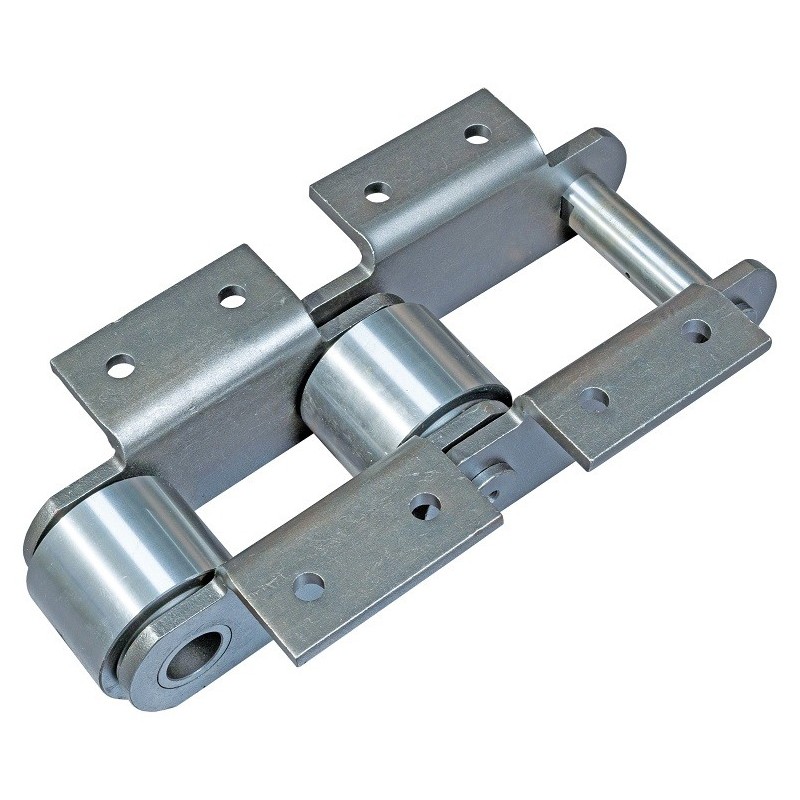
Pitch and Load Reference for Common Carrier Chains
The table below uses published figures for SHINING carrier-chain families. It shows why a single measurement cannot close the identification: several rows share the same pitch but not the same tensile rating.
| Chain family | Typical station | Pitch | Min. tensile strength |
|---|---|---|---|
| 1131 | Intermediate carrier | 152.4 mm | 209 kN |
| 09060 / 09061 / 09063 | Intermediate carrier | 152.4 mm | 270–430 kN |
| 1796 / 2184 | Intermediate carrier | 152.4 mm | 450 kN |
| C84 | Heavy carrier | Refer to product drawing | 1,112 kN |
| C69 | Heavy carrier | Refer to product drawing | 1,300 kN |
| 4103 | Juice strainer / cush-cush elevator | Refer to product drawing | 127 kN |
| WH9103HD | Juice strainer / cush-cush elevator | Refer to product drawing | 267 kN |
Figures reflect the current SHINING sugar-mill product data; confirm the final specification against the drawing or a measured sample before ordering. See the cane feeder and carrier chain range for the elevator and carrier family.
Unsure whether your measurements point to a 09063 or a 2184 carrier? Send the figures for a specification check.
Get a QuoteUse the Station as a Second Check
Where the chain ran is often as informative as how it measures. Intermediate carriers moving juice cake and bagasse generally use the 152.4 mm carrier family. Feed and washing tables use welded chain in several strength tiers, from WH78 at 147 kN up to WH159 at 950 kN. Cane carriers and feed tables that see shock loads may use drop-forged rivetless chain from the 698HT family, whose open joints shed fibre instead of packing it. Juice strainers and cush-cush elevators use chains with F-style attachments that hold the baskets through the wet end.
Match this station map against your measurements. If a chain from a juice strainer measures like a heavy carrier, one of the two pieces of information is wrong. Research on abrasive and corrosive wear in sugarcane milling notes that cane juice is typically around pH 5.0–5.5 and carries ash, which explains why wet-end parts need a different material strategy from dry conveyors.
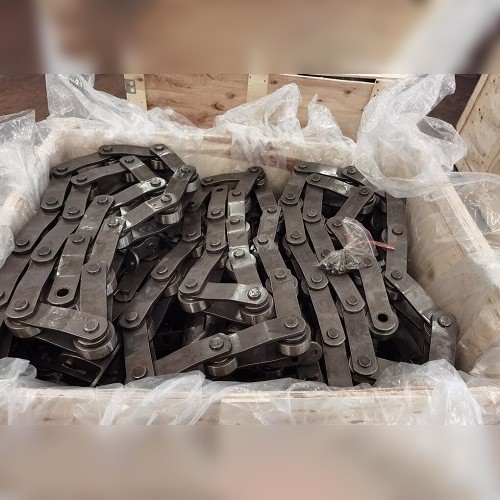
Three Routes From a Worn Sample to a Replacement
Once the measurements are recorded, a replacement sugar mill chain can be specified in one of three ways. Each route suits a different starting point.
Reverse-engineer from a sample. Send a short length or a worn section. The pitch, sidebar geometry and attachment layout are measured, agreed with the buyer and then manufactured. This is the practical route for obsolete or unbranded chain.
Match an OEM number or interchange. If the original designation is legible, dimensions can be checked against it and a like-for-like chain quoted, provided the sprocket is also verified.
Build to a drawing. Non-standard pitches, special attachments, alternative materials and basket or slat spacing can be produced to a supplied drawing and agreed duty data.
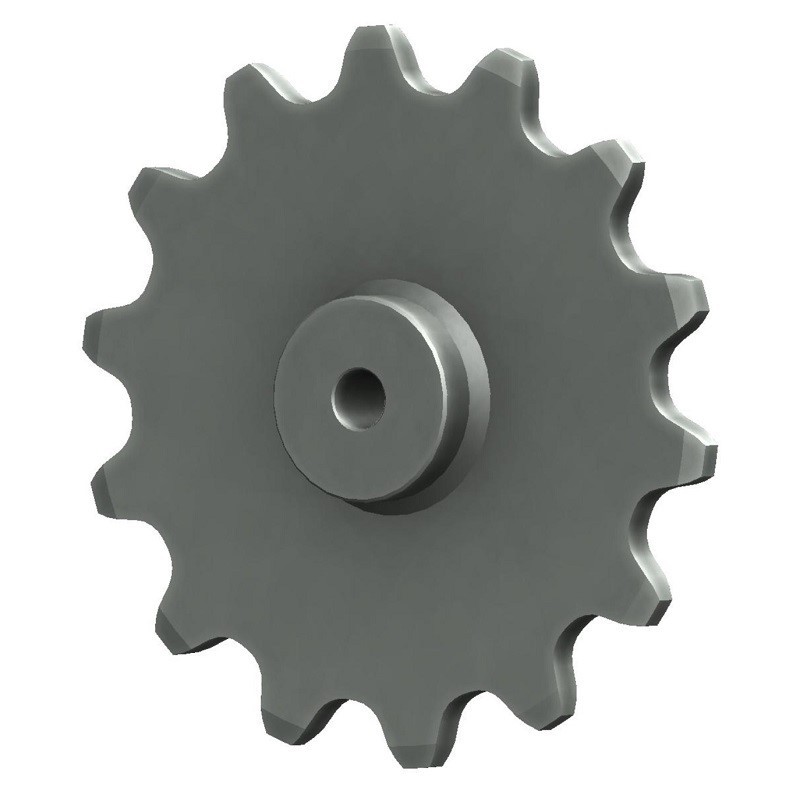
Clarity matters at this stage: state the station, load, speed, juice conditions, quantity in metres and whether the sprockets are to be replaced. SHINING supplies matched solid, split and segmental sprockets cut to the actual pitch of the chain they will run, so a replacement can be quoted as one set rather than as loose parts.
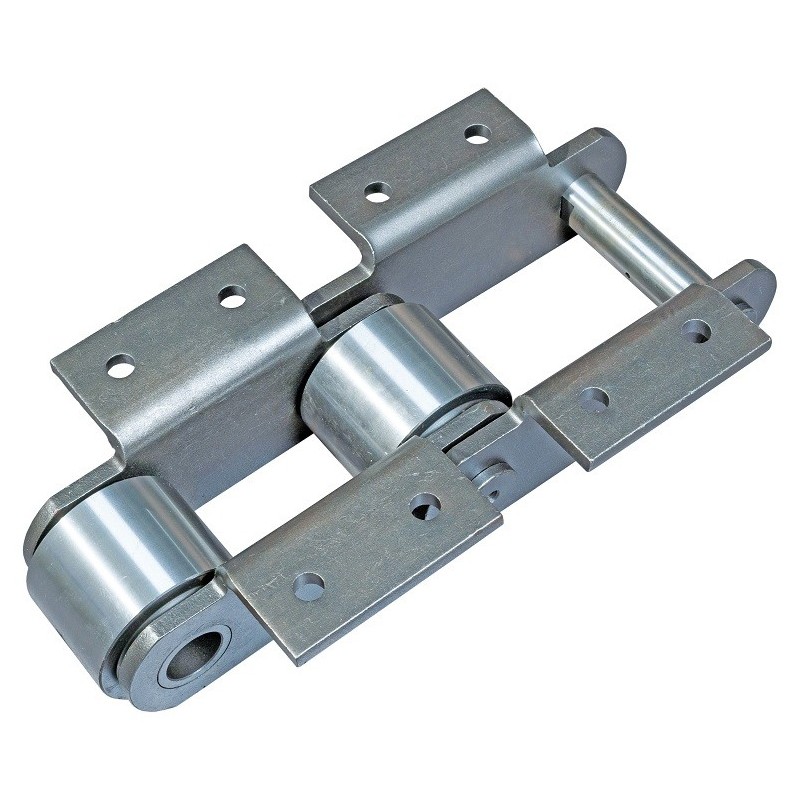
Carrier & Feeder Chain
09060 / 09061 / 09063 / 1796 / 2184 family for cane carrier and intermediate duty.
View Product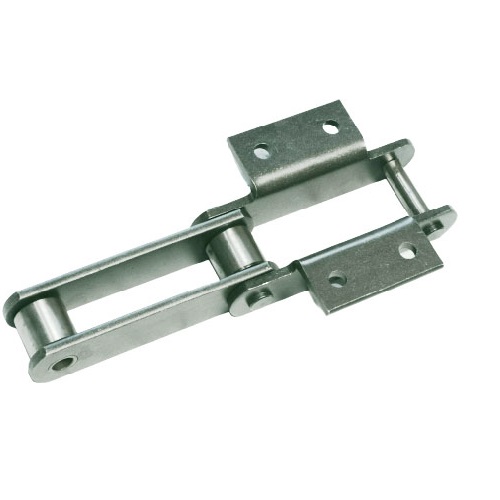
P101.6 Bush Chain
Bush-chain option for sugar-mill conveying duties where a sample-based match is required.
View Product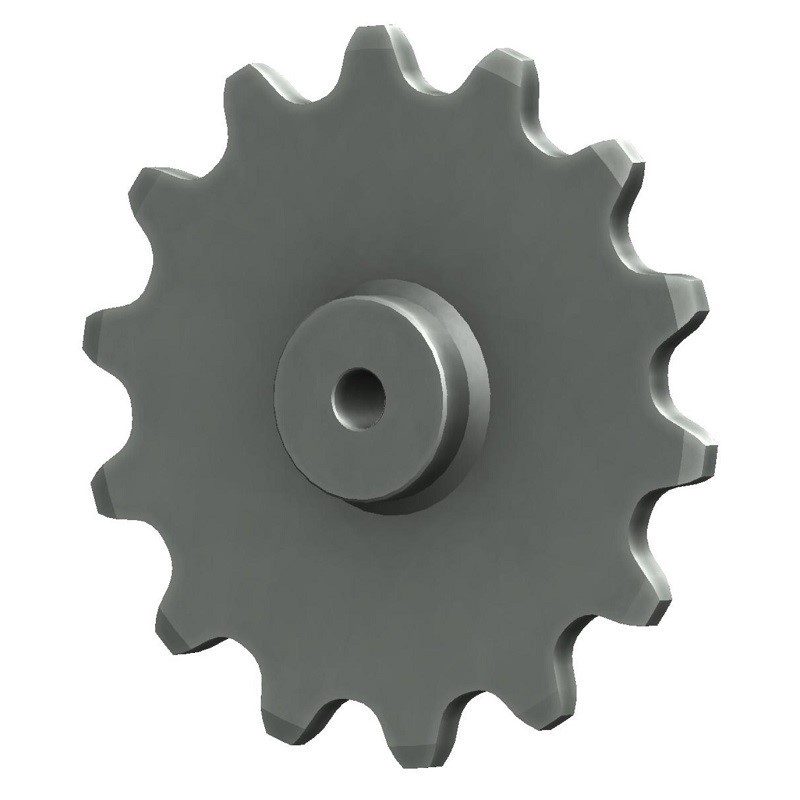
Matching Sprocket
Solid, split and segmental sprockets cut to the measured pitch of the chain.
View ProductHave a sample but no drawing? SHINING can measure it and confirm a like-for-like replacement.
Contact UsFour Mistakes When Matching a Sugar Mill Chain
Using nominal pitch instead of measured pitch. A worn chain reads long, and a new chain cut to the wrong reference will ride high on the sprocket.
Ignoring the attachments. Correct pitch with the wrong A, K, F or 2C form means the slats or baskets will not mount.
Reusing worn sprockets. A worn tooth profile destroys new chain quickly. Check the sprocket when the chain is measured, and specify a matched set if replacement is due.
Replacing one strand of a multi-strand set. Parallel strands should be renewed as a matched group so load stays even and timing does not drift.
Conclusion
A sugar mill chain can be identified without a drawing if the basic geometry is measured carefully and the station is used as a cross-check. Pitch narrows the family, pin and bush diameters confirm it, and the attachment form decides whether the part will actually fit. Recording elongation and sprocket condition at the same time prevents a correct replacement from failing early. For a mill planning a shutdown replacement, that short measurement record is usually all a manufacturer needs to start quoting.
If you are looking for a dependable sugar mill chain manufacturer able to work from a sample, an OEM number or a drawing, SHINING is worth considering.
FAQ
We have no drawing for an old sugar mill chain on a cane feeder table — can a manufacturer still quote it?
Yes. Send a short worn sample and the five measurements above. A reproducible specification can be agreed from the sample even when the original drawing no longer exists.
I can measure the pitch but not the tensile strength. Is pitch enough to order a replacement?
No. Several sugar mill chain families share a 152.4 mm pitch but range from about 209 kN to 450 kN. Add pin diameter, inside width and plate height before selecting the load rating.
How long a sample do I need to send for reverse engineering?
A short section containing several complete links and at least one attachment is normally enough. Confirm the length with the supplier before shipping, and keep one original section for comparison.
My chain has A42 attachments. Can I switch to A2 without changing the slats?
Not usually. Attachment form controls how slats or baskets mount, so check the mounting geometry before changing it. Special forms and spacing can be made to a drawing where needed.
The chain is worn but the sprockets look fine — can I reuse them with a new chain?
Inspect the tooth profile first. Hooked or pointed teeth will wear a new chain quickly. If replacement is due, specify the chain and sprockets as one matched set cut to the measured pitch.
We only need a short trial length. Is that below the usual minimum order?
Chain is quoted with a minimum order of 100 metres; smaller trial quantities can be discussed. State the length and the intended trial in the enquiry so the options are clear.


