

Understanding Scraper Conveyor Chain Mechanisms
 Nov 25, 2024|
 View:3101
In the industrial sector, understanding the intricacies of scraper conveyor chain mechanisms is crucial. These chains play a pivotal role in various industries, enhancing operational efficiency and longevity.
However, selecting the right chain for specific applications can be challenging. This is especially true for environments like waste water management systems, which demand high durability and resistance to harsh conditions.
This article aims to shed light on the technical specifications, standards, and applications of scraper conveyor chains. It will provide valuable insights for professionals in environmental engineering, industrial manufacturing, and automobile procurement.
By the end, you'll have a comprehensive understanding of scraper conveyor chain mechanisms. This knowledge will empower you to make informed decisions, improving your systems' efficiency and cost-effectiveness.

The Role of Scraper Conveyor Chains in Industry
Scraper conveyor chains are specialized components designed to transport bulk materials smoothly. They work by scraping materials along a trough, ensuring efficient movement even in challenging conditions. This makes them indispensable in various industrial applications.
Several industries reap the benefits of scraper conveyor chains. Key sectors include waste water management, where durability and corrosion resistance are critical. In these systems, chains face harsh chemicals and abrasive materials daily, demanding robust construction.
Other industries harnessing scraper conveyor chains include the automobile, cement, and forest products sectors. Each industry relies on the chains' ability to handle heavy loads and continual operation. Here, the chains contribute to reducing downtime and improving material handling efficiency.
Industries benefiting from these chains often share common challenges and goals. These include ensuring reliable performance, reducing maintenance needs, and meeting stringent quality standards. Effective use of scraper conveyor chains can significantly enhance productivity and system longevity, making them a vital asset.
Selecting Scraper Conveyor Chains for Harsh Environments
Environmental engineers often face difficulties selecting suitable chains for waste water management. These systems demand chains that withstand corrosive conditions and exposure to abrasive substances. Harsh environments can rapidly degrade poorly made components, leading to costly failures.
To address these challenges, it is crucial to prioritize certain characteristics in scraper conveyor chains. Here are key aspects to consider:
Material Resilience: Use of corrosion-resistant materials to ensure durability.
Load Capacity: Chains must handle significant loads without compromising performance.
Wear Resistance: Reinforced construction to prevent wear from abrasive particles.
Longevity and reliability are paramount in such demanding settings. High-quality chains are crafted to endure prolonged exposure to aggressive elements. Properly selected chains can significantly reduce maintenance and replacement frequency.
Ultimately, selecting robust scraper conveyor chains directly impacts operational efficiency and cost-effectiveness. Reliable chains minimize downtime and extend equipment lifespan, allowing systems to function optimally under extreme conditions.
Technical Specifications and Standards
Understanding the technical specifications of scraper conveyor chains is essential for optimal performance. Specifications such as chain strength, pitch, and load capacity directly affect efficiency and reliability. Properly tailored specifications enable systems to operate smoothly and avoid unexpected downtimes.
Industry standards and certifications are vital for quality assurance. They provide guidelines that ensure chains meet safety and performance criteria. Adhering to these standards helps maintain consistency and reliability in industrial operations.
Quality assurance extends beyond specifications; it encompasses precise manufacturing processes. Certified chains are produced under strict protocols, ensuring they function as intended under various conditions. This adherence mitigates risks associated with operational failures.
Incorporating certified chains in systems also influences stakeholder confidence. It reassures engineers and managers of the chain's capability to perform reliably. Ultimately, meeting and exceeding technical standards safeguards both investments and operational safety.
Components and Material Selection
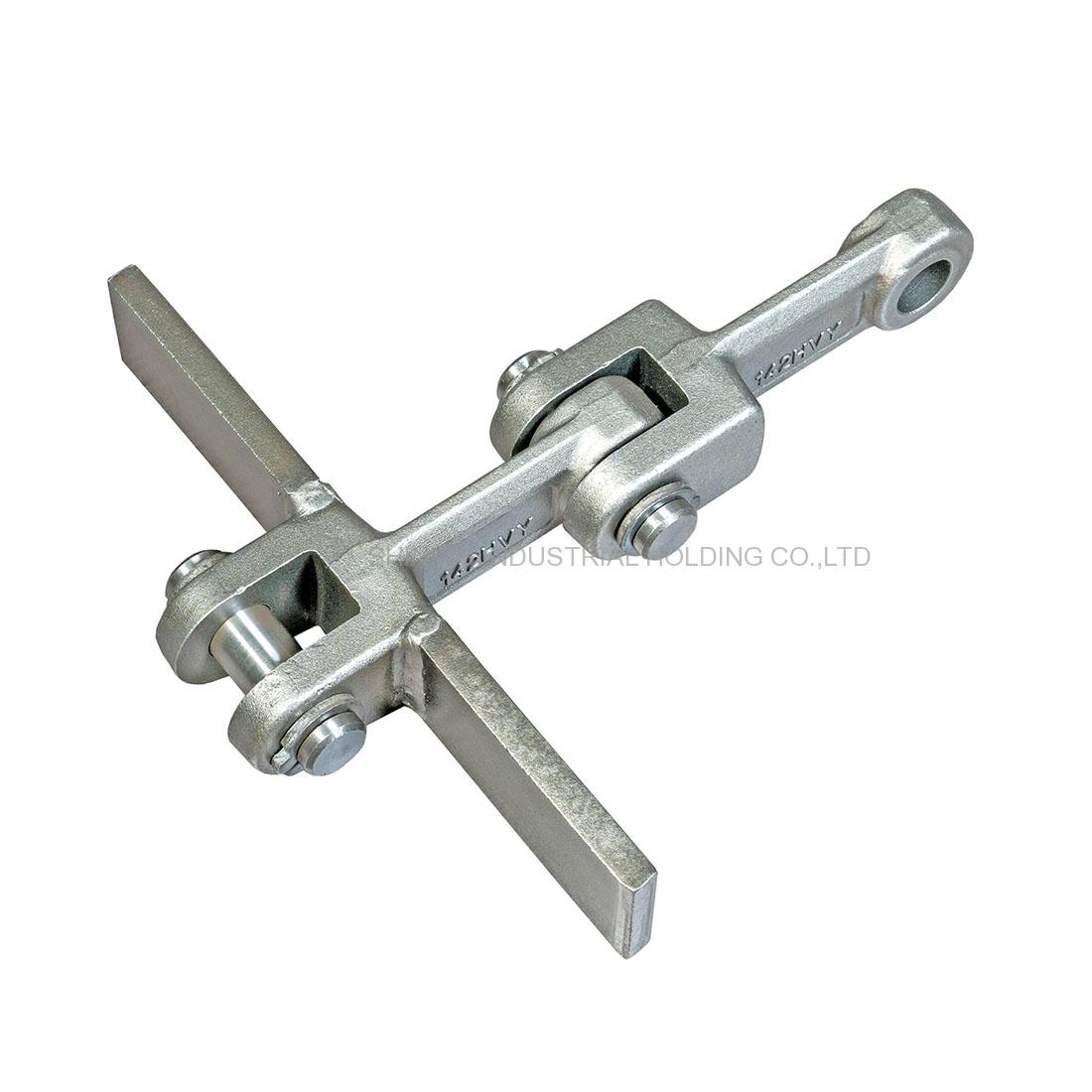
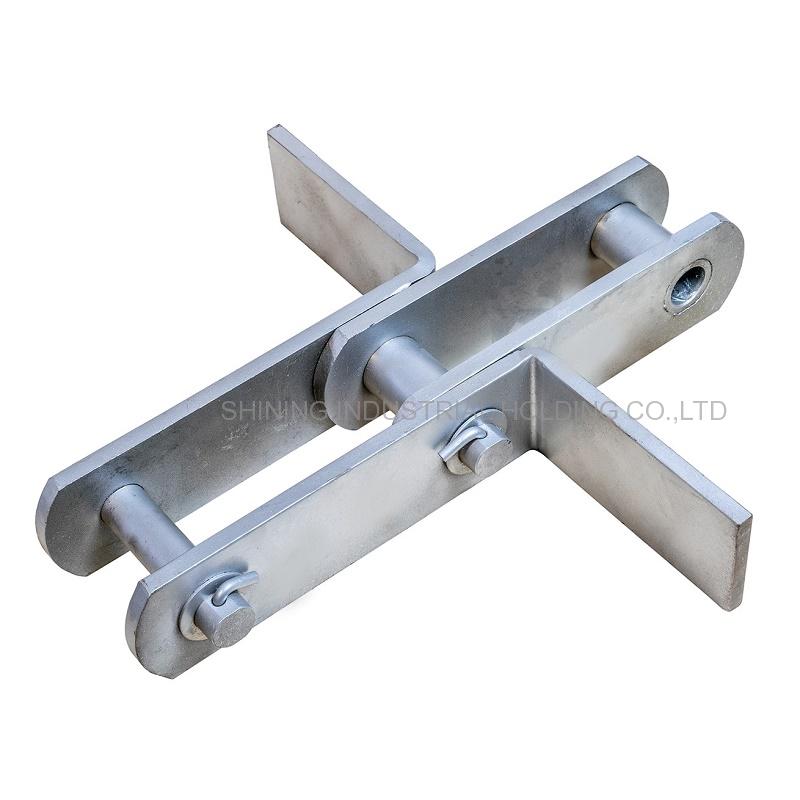
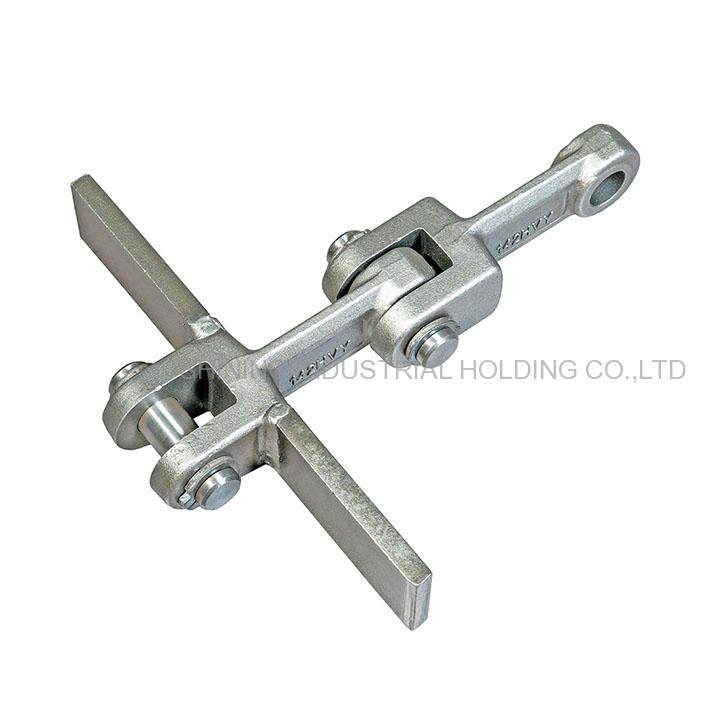
Scraper conveyor chains consist of several key components. These include link plates, bushings, rollers, and pins, each playing a crucial role. Together, these parts enable the chain to effectively move materials in challenging environments.
Understanding the function of each component is vital for selecting the right chain. For instance, link plates bear the tensile load, while rollers reduce friction. Bushings and pins contribute to the chain's flexibility and durability.
Material selection is particularly critical in corrosive environments. Harsh chemicals and extreme conditions can quickly degrade unsuitable materials. Therefore, choosing the right materials ensures the chain's longevity and efficiency.
In corrosive settings, stainless steel and synthetic composites are often preferred. These materials offer superior resistance to rust and wear. They maintain their integrity, even when exposed to severe chemical or environmental stress.
Selecting the appropriate materials affects both performance and maintenance needs. By investing in quality components, industries can minimize downtime and operational costs. Proper material selection leads to enhanced reliability and sustainability in arduous applications.
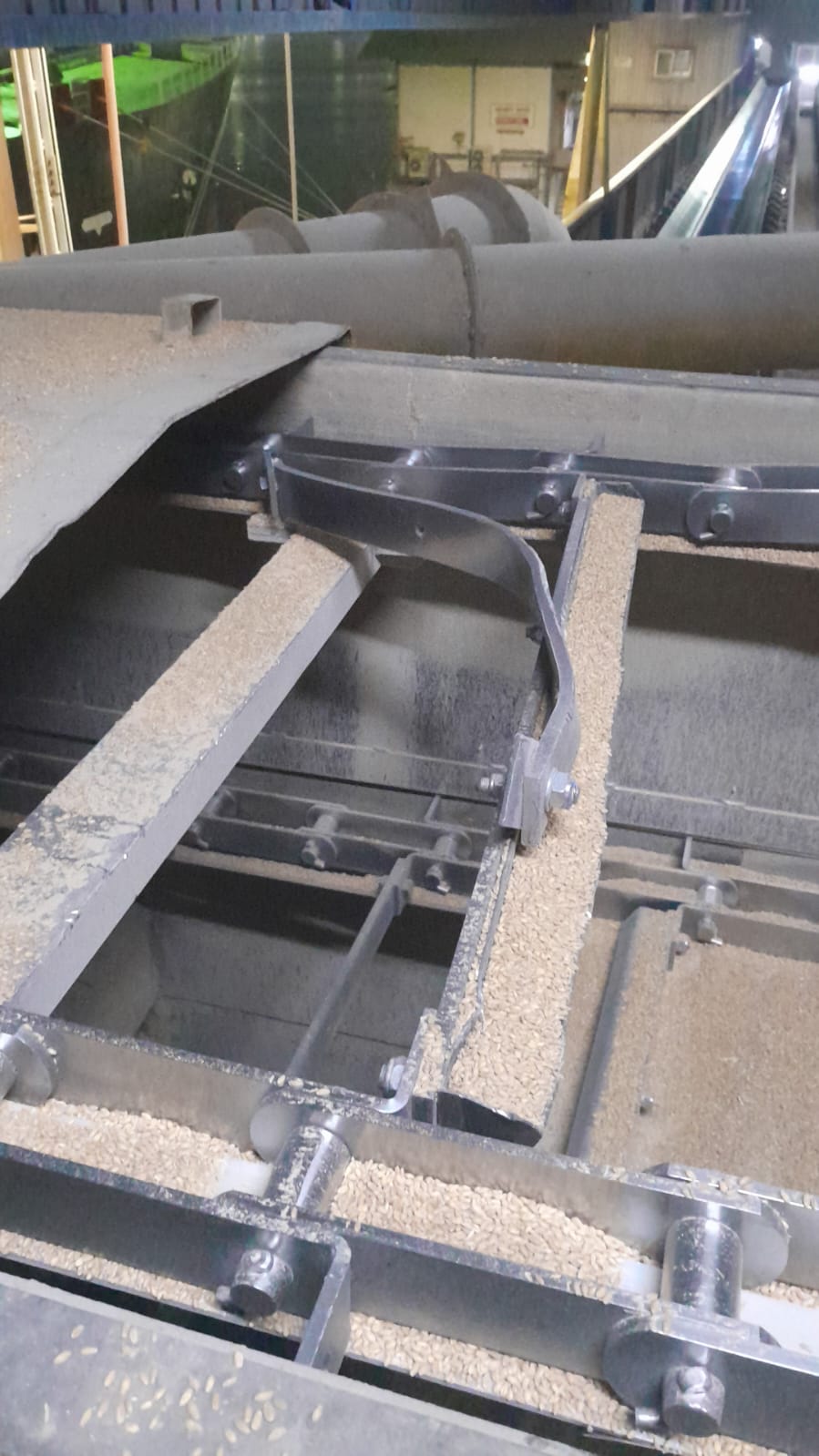
Hereunder is an example of over-loaded cause the failure of the scrapper chain:
Maintenance and Operational Efficiency
Regular maintenance is vital to keep scraper conveyor chains running smoothly. It includes routine inspections, timely lubrication, and checking for wear. Neglecting these tasks can lead to unexpected failures and costly downtimes.
A proper maintenance schedule extends the life of conveyor systems. It involves replacing worn-out parts promptly. Consistent attention minimizes disruptions and enhances the overall reliability of the chain conveyor system.
Conversely, selecting the wrong chain for an application can be costly. Mismatched chains may not withstand operational demands, leading to premature wear. This results in increased maintenance costs and reduced system efficiency.
Incompatibility issues also contribute to higher operational expenses. Misaligned chains or poor material choices can lead to excessive energy consumption. Additionally, frequent replacements strain budgets and reduce the lifespan of conveyor system components.
Comprehensive understanding and correct chain selection are critical. By investing in suitable products and robust maintenance practices, industries can optimize performance. This not only drives operational efficiency but also ensures long-term cost savings.
Innovations and Custom Solutions
Recent advancements in chain design have significantly improved wear resistance. These innovations focus on enhancing material strength and utilizing advanced surface treatments. Such improvements extend the lifecycle of scraper conveyor chains, reducing maintenance needs.
For industries with unique operational demands, custom solutions are essential. Tailored designs accommodate specific environmental challenges, such as extreme temperatures or abrasive materials. Customized chains also ensure compatibility with existing conveyor systems, enhancing operational coherence.
Specialized industries benefit from chains crafted for their particular needs. Collaborating with manufacturers to develop these solutions helps in achieving precise performance targets. This approach not only addresses unique challenges but also maximizes system efficiency and reliability.
Partnering with Experienced Manufacturers
Collaborating with reputable manufacturers is crucial for sourcing high-quality scraper conveyor chains. Experienced manufacturers bring extensive knowledge of industry standards and innovations. They provide products that align with specific operational requirements.
Successful case studies highlight the benefits of partnering with established manufacturers. In one instance, a waste water treatment facility improved efficiency by selecting tailored chains. This solution significantly reduced downtime and maintenance costs.
Such partnerships foster a collaborative approach to address unique industry challenges. By working closely with manufacturers, industries can secure reliable chains that enhance overall system performance. This strategic alliance is a key component in achieving operational excellence.
Conclusion: Ensuring Quality and Efficiency
Understanding scraper conveyor chains is essential for improving industrial operations and overall system performance. These components play a pivotal role across various industries by enhancing efficiency and reducing maintenance needs. Mastering their specifications and applications can drive significant benefits.
Selecting the right supplier is critical to obtaining quality chains that meet industry demands. Reputable suppliers provide reliable products backed by standards and certifications. This ensures the operational longevity of your systems while minimizing unexpected failures.