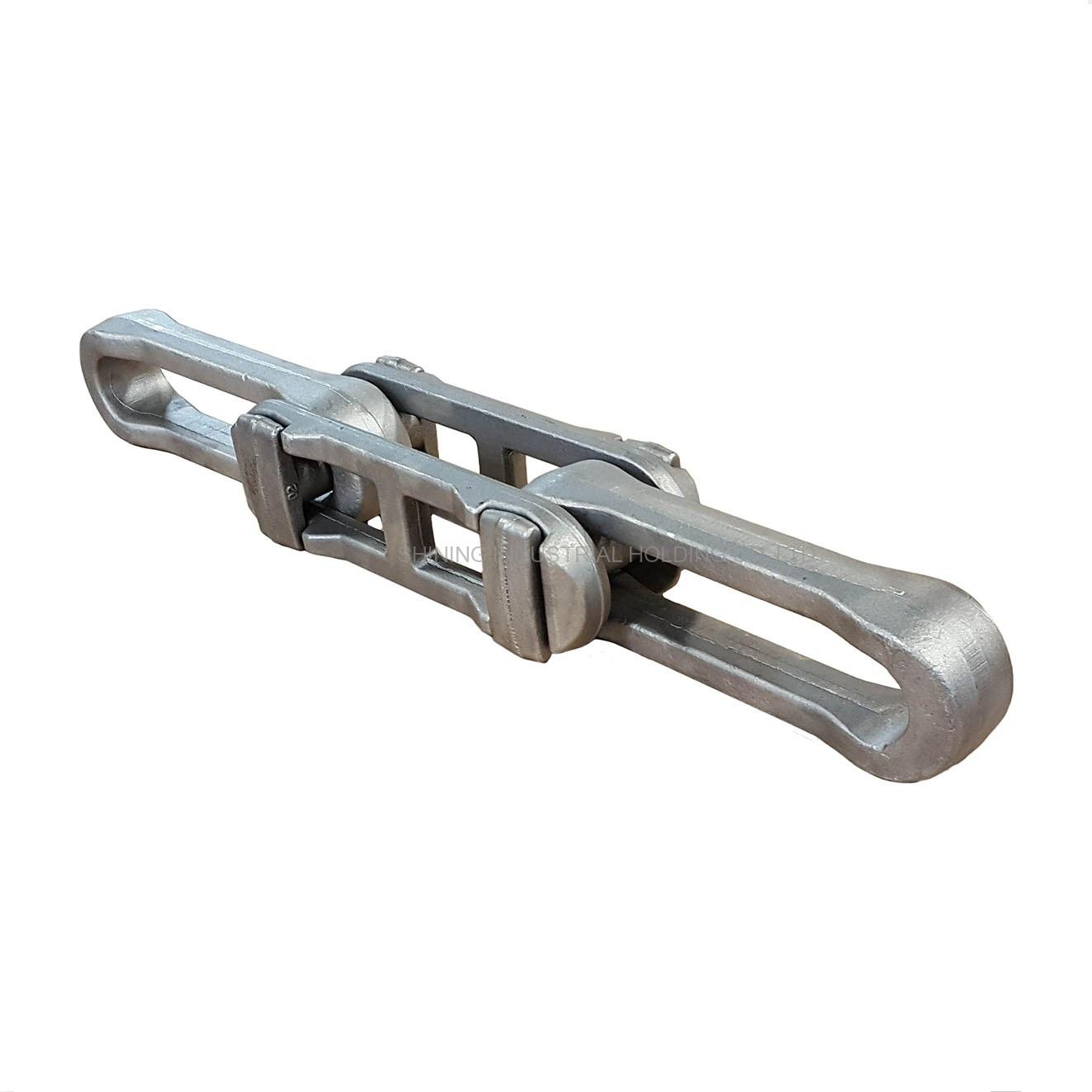


SCD630 Forged Apron Conveyor Chain: A Technical Overview for Heavy-Duty Applications
 Dec 21, 2025|
 View:1859
1. Product Introduction and Design Philosophy
The SCD630 Forged Apron Conveyor Chain represents a significant advancement in heavy-duty conveying technology, specifically engineered for horizontal and inclined material handling applications. Unlike conventional chains, this system is manufactured through hot die forging, a process that aligns the metal's grain flow with the component contours, thereby enhancing its structural integrity and mechanical properties.
This apron conveyor chain is designed with three fundamental engineering principles: high tensile strength to withstand working loads exceeding 320 kN with substantial safety margins; exceptional durability to resist abrasive wear in demanding environments; and operational reliability to ensure continuous performance with minimal maintenance interventions. The design prioritizes longevity and cost-effectiveness over the equipment's lifecycle, addressing common failure points in industrial conveying systems.
Industrial conveying systems have evolved significantly toward specialized solutions for specific application environments. The development of forged chains like the SCD630 mirrors this trend toward application-specific engineering, similar to advancements seen in other heavy industries where equipment must withstand extreme operating conditions.

2. Technical Specifications and Performance Parameters
The SCD630 chain features a standardized pitch of 250 mm and operates effectively within temperature ranges up to 250°C, making it suitable for handling hot materials such as cement clinker and processed minerals. Its design accommodates inclined applications up to 55 degrees, with capacity adjustment factors applied based on the angle of operation.
Key performance metrics include:
Tensile strength: ≥1,200 MPa
Breaking load: ≥800 kN
Hardness specifications: Link plates (HRC 32-38), Pins (HRC 55-60), Bushings (HRC 58-67)
Projected service life: >20,000 hours in standard abrasive applications
The chain's performance characteristics result from precise engineering calculations and material selections that balance strength, wear resistance, and impact absorption capabilities. These parameters ensure reliable operation under continuous heavy-load conditions typical in mining, cement production, and bulk material handling facilities .
3. Material Selection and Metallurgical Properties
Material science forms the foundation of the SCD630's durability. The chain links utilize 42CrMo (AISI 4140/4142) alloy steel, a medium-carbon chromium-molybdenum steel known for its high strength-to-weight ratio and excellent hardenability. This material composition typically includes carbon (0.38-0.43%), chromium (0.90-1.20%), and molybdenum (0.15-0.25%), creating an optimal balance between toughness and wear resistance.
The pins and bushings employ 20CrMo (AISI 4118/4120) alloy steel, selected for its case-hardening properties that create a hard, wear-resistant surface while maintaining a ductile core capable of absorbing shock loads. This combination is particularly effective for the articulating joints where concentrated stresses occur during operation.
This meticulous material selection process reflects broader industry trends where specific alloy compositions are tailored to component function, similar to approaches seen in other high-stress industrial components .
4. Manufacturing Process: Precision Forging and Quality Control
The production of SCD630 chains follows a rigorously controlled manufacturing protocol that begins with material preparation and progresses through multiple quality assurance checkpoints. The process starts with precision cutting of alloy steel round bars, followed by heating to forging temperatures between 1,200°C and 1,250°C using medium-frequency induction heaters to ensure uniform thermal distribution.
The critical hot die forging phase employs massive hydraulic presses (1,000-ton capacity) that shape the heated billets using custom-designed dies. This forging process creates continuous grain flow patterns that significantly enhance fatigue resistance compared to cast or fabricated alternatives. Subsequent machining operations maintain tight tolerances to ensure proper component interaction and smooth articulation.
Heat treatment constitutes another crucial phase, involving quenching and tempering processes that transform the metallurgical structure into tempered martensite. This structure provides the optimal balance of hardness and toughness required for heavy-duty applications. Final assembly incorporates precision pressing of bushings and pins, followed by comprehensive testing including magnetic particle inspection for surface defects and destructive testing for validation of mechanical properties.

5. Installation and Maintenance Protocols
Proper installation is critical for achieving the designed performance characteristics of the SCD630 chain. The assembly process requires specialized equipment, particularly hydraulic jacks that apply controlled axial forces to press-fit pins without damaging component surfaces. This approach prevents the mushrooming of pin ends and misalignment issues associated with impact installation methods.
Maintenance protocols emphasize regular inspection intervals with specific guidelines for different operational periods:
Daily/Weekly checks: Visual inspection for surface defects, verification of proper tensioning, and auditory monitoring for unusual operational noises
Monthly/Quarterly inspections: Detailed measurement of wear patterns on pins and bushings, assessment of chain elongation, and sprocket condition evaluation
Lubrication strategies vary based on application requirements, with options including high-temperature extreme-pressure greases for most applications and self-lubricating polymer bushings for industries where material purity is essential, such as battery material production or food processing .

6. Industry Applications and Operational Considerations
The SCD630 chain is engineered for demanding industrial environments where reliability directly impacts operational continuity and productivity. Its primary applications span multiple heavy industries:
Cement and Building Materials Production
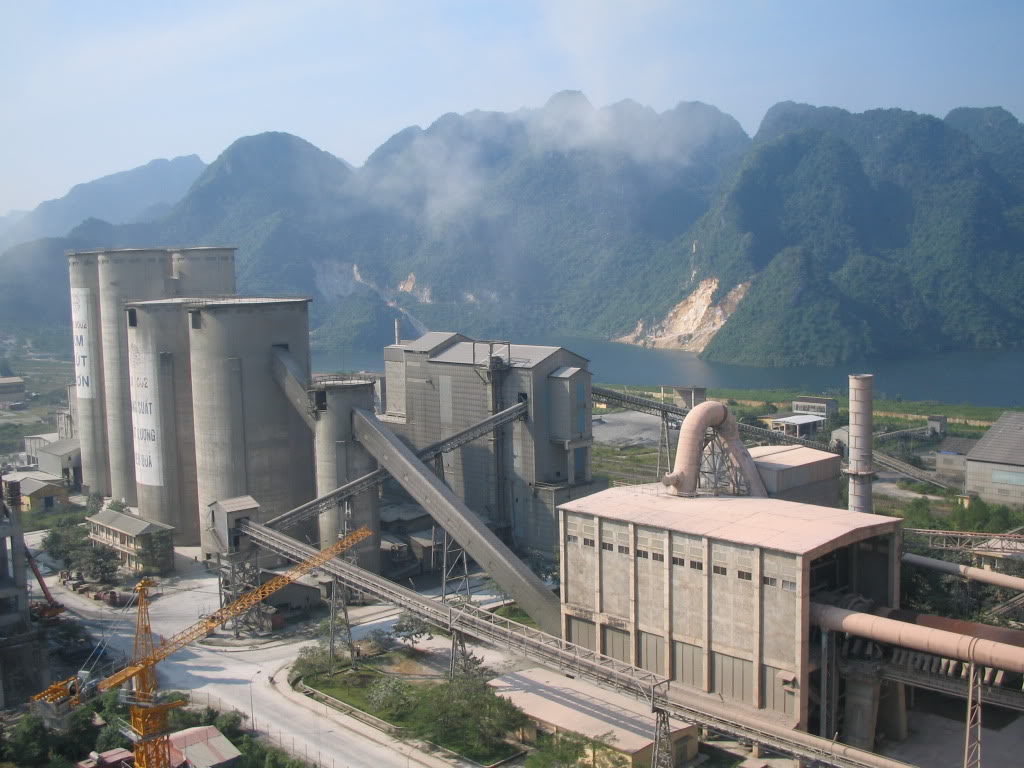
In cement manufacturing, the chain handles hot, abrasive clinker with temperatures up to 250°C. Its design addresses the dual challenges of thermal stress and abrasive wear encountered in kiln feed systems and cooler applications.
Mining and Mineral Processing
The forged construction provides exceptional impact resistance against coarse ores and aggregates. The chain's durability translates to reduced downtime in mineral processing operations where equipment accessibility for maintenance is often limited.
Steel Manufacturing and Primary Metals Production
Steel plants utilize these chains for handling raw materials such as iron ore, sinter, and pellets. The robust construction supports continuous operation in 24/7 production environments typical of integrated steel mills.
Emerging Industrial Applications
Recent applications include conveying abrasive sands and mineral ores used in lithium-ion battery production. The chain's wear resistance and minimal contamination design make it suitable for these growing industries where material purity is increasingly important .
7. Project Implementation: POSCO Case Study
The application of SCD630 forged bucket conveyor chains in industrial settings is demonstrated by recent implementation at POSCO, one of the world's leading steel producers. This project involved the supply of specialized conveyor chains for material handling operations within their steel manufacturing facilities.
The project timeline of 32 days from order to delivery illustrates the efficiency achievable in manufacturing and logistics coordination for specialized industrial components. This implementation highlights the chain's compatibility with the demanding requirements of modern steel production, where equipment reliability directly impacts overall plant productivity .
This successful application within a major industrial corporation validates the engineering principles and performance characteristics of the SCD630 chain design, demonstrating its capability to meet rigorous operational demands in critical material handling applications.

This article is for informational purposes only. Specifications may vary based on application requirements. Consult with SHINING engineering professionals for specific application guidance.