


Elevator Chains: Mechanics, Maintenance, and Modern Innovations
 Nov 23, 2024|
 View:2189
Elevator Chains: Mechanics, Maintenance, and Modern Innovations
The cement industry, along with agriculture and construction, relies heavily on efficient vertical movement systems. Among the essential components of these systems are elevator chains, which enable the seamless transport of materials across various levels. This essay explores the mechanics, maintenance, and innovations surrounding elevator chains, shedding light on their indispensable role in industrial operations.
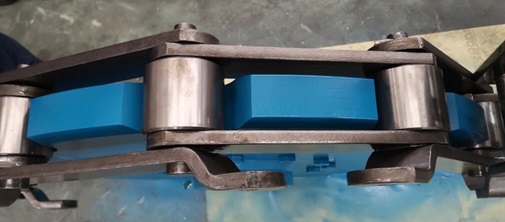
Understanding the Mechanics of Elevator Chains
Role and Importance
Elevator chains are fundamental to vertical conveyor systems, where their primary purpose is to transport materials reliably between levels. Their durability and strength are crucial for handling heavy loads and continuous operation. For industries like cement production, where massive quantities of raw materials and finished products are transported vertically, the choice of elevator chains significantly impacts efficiency and system longevity.
Design and Construction
Elevator chains are meticulously designed, incorporating factors like load capacity, environmental conditions, and material type. High-grade steel, known for its tensile strength and flexibility, is commonly used to manufacture these chains. Precision-engineered links interlock seamlessly, reducing the likelihood of slippage or mechanical failure.
Key Engineering Considerations
Pitch: The distance between the centers of two consecutive links is critical as it influences flexibility and load distribution.
Rollers and Bushings: Incorporating rollers reduces friction, while bushings enhance smooth movement, contributing to the chain's longevity.
Corrosion Resistance: Special coatings or materials are often added to withstand harsh environments, particularly in cement plants where moisture and dust are pervasive.
Maintenance and Longevity
Significance of Regular Maintenance
Maintenance is paramount for ensuring the optimal performance and longevity of elevator chains. Routine inspections can identify wear, elongation, or corrosion before they lead to system failure. Timely repairs and replacements are essential for maintaining operational reliability and safety.
Role of Lubrication
Lubrication minimizes friction, reducing wear and overheating. Selecting the right lubricant based on the chain material and operating environment is critical. For instance, high-temperature lubricants are ideal for cement kilns, while anti-corrosive lubricants work best in humid conditions.
Preventive Measures
Periodic Inspections: Regular visual checks for signs of wear, such as elongated links or misaligned chains, prevent unforeseen failures.
Tensioning and Alignment: Ensuring proper tension and alignment enhances load distribution and reduces strain on the chain.
Load Monitoring: Avoiding overloading extends the chain's lifespan and prevents sudden breakdowns.
Innovations in Elevator Chain Technology
The industrial sector has witnessed significant advancements in elevator chain technology. Modern developments focus on enhancing durability, reducing maintenance needs, and incorporating smart features for real-time monitoring.
Material Advancements
Alloy steels and stainless steel have become the materials of choice for elevator chains due to their superior strength, wear resistance, and corrosion protection. These materials are particularly beneficial in cement plants where harsh conditions prevail.
Self-Lubricating Chains
Self-lubricating chains, designed with embedded lubrication systems, minimize the need for manual lubrication. These chains are especially advantageous in industries where consistent maintenance is challenging.
Addressing Common Issues with Elevator Chains
Even with advanced designs and materials, elevator chains are not immune to operational challenges. Understanding and mitigating these issues is vital for maintaining efficiency.
Wear and Tear
Continuous operation under heavy loads causes wear and tear, resulting in chain elongation and misalignment. Inadequate lubrication accelerates this wear, leading to inefficiencies and potential damage to other components.
Misalignment
Improper installation or uneven load distribution often causes misalignment. This results in uneven wear and strain on both the chain and the sprockets, increasing the risk of failure. Regular alignment checks and proper installation protocols mitigate this issue.
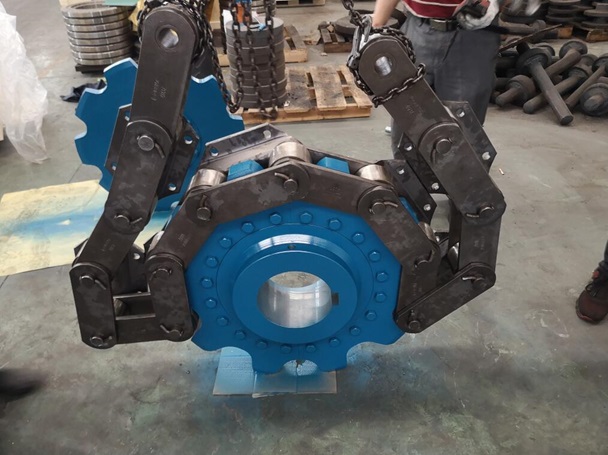
we do alignment before shipment
Overloading
Chains are designed to handle specific load capacities. Exceeding these limits causes excessive strain, leading to deformation or breakage. Load monitoring systems are essential tools for preventing overloading.
The Role of Elevator Chains in Cement Industry Applications
In the cement industry, elevator chains are indispensable for moving materials such as limestone, clinker, and finished cement. Their robust construction ensures smooth operation in harsh environments characterized by abrasive dust, high temperatures, and heavy loads.
Vertical Transport of Heavy Materials
Elevator chains facilitate the movement of raw materials to silos and finished products to storage areas. This vertical transport reduces labor costs, enhances productivity, and ensures safety in the workplace.
Reduction in Downtime
By employing high-quality elevator chains and adhering to strict maintenance protocols, cement plants can minimize downtime and maintain consistent production. Innovations like wear-resistant coatings and smart sensors further enhance reliability.
Future Trends in Elevator Chain Technology
The evolution of elevator chains continues to align with advancements in materials science and digital technology. Emerging trends promise to address the demands of increasingly automated and sustainable industrial processes.
Smart Chains for Predictive Maintenance
IoT-enabled chains with integrated sensors allow real-time tracking of performance metrics. Predictive algorithms analyze this data to forecast potential failures, enabling proactive maintenance.
Sustainability in Chain Design
As industries prioritize sustainability, the development of eco-friendly materials and energy-efficient designs is gaining traction. Recyclable chain materials and low-energy manufacturing processes are examples of such innovations.
Enhanced Durability through Nanotechnology
Nanocoatings are being explored to provide unparalleled resistance to wear and corrosion, extending the lifespan of elevator chains in extreme environments.
Conclusion
Elevator chains are a cornerstone of vertical material transport in industries like cement production. Their mechanics, encompassing robust designs and precise engineering, are crucial for efficient operations. Regular maintenance and adherence to industry standards ensure their safety and longevity.
Modern innovations, including self-lubricating systems, advanced materials, and IoT integration, are reshaping the landscape of elevator chain technology. These advancements not only enhance operational reliability but also align with the evolving demands of automation and sustainability.
At SHINING, we pride ourselves on delivering cutting-edge elevator chains tailored to meet the unique needs of our clients. Our commitment to quality and innovation ensures that our products excel in durability, efficiency, and safety. For more information on how SHINING can support your operations, contact us today and join us in building a safer, more efficient future.


