

Optimizing Conveyor Chains: Induction Hardening vs. Case Hardening
 Feb 05, 2025|
 View:2198
Induction Hardening and Case Hardening are both heat treatment processes used to improve the hardness and wear resistance of metal parts, but their methods, purposes and applications are very different. Here’s the key differences between them:
Induction Hardening
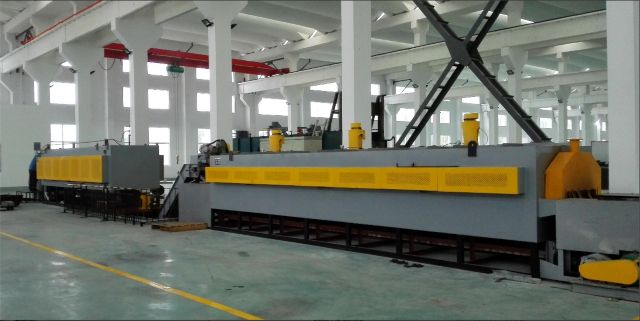
Induction hardening is a localized hardening process where the surface layer of metal part is hardened by using induction heating, followed by rapid cooling. The process is typically applied to steel and other ferrous alloys.
Process:
Induction Heating: The metal is heated by electromagnetic induction, where a high-frequency alternating current is passed through a coil that surrounds the part. This creates a changing magnetic field, which induces electrical currents in the surface of the metal, causing it to heat up rapidly.
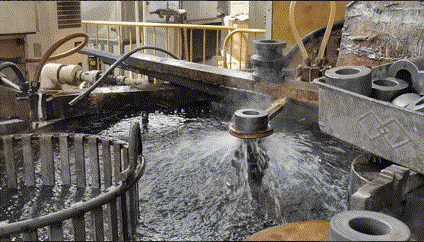
Rapid Cooling: Once the surface is heated to a high temperature (typically above the critical transformation temperature), the part is quenched with water, oil or air to quickly cool it down, this process locks the hardening effect into place.
Characteristics:
Surface Hardening: Only the surface or a thin layer is hardened, while the core is still soft and tough. This provides wear resistance while maintaining toughness of the core.
Depth Control: The depth of hardness can be controlled by adjusting the induction heating parameters and the time of exposure to the heat source.
No Need for Chemicals: Induction hardening doesn’t require chemical hardening agents or carburizing gases.
Faster Process: The heating and cooling steps are both faster than traditional heat treatments.
Applications:
Applications: Induction hardening is often used for parts that undergo surface wear or are subject to high impact, such as gears, shafts, rollers and camshafts.
Key Benefits: Good for high wear-resistance on parts subjected to cyclic loading, without affecting the internal properties.
Case Hardening
Case hardening is a process used to harden the surface layer of steel or other materials, while leaving the core relatively soft and ductile. This is achieved by diffusing carbon into the surface of the part at high temperatures.
Process:
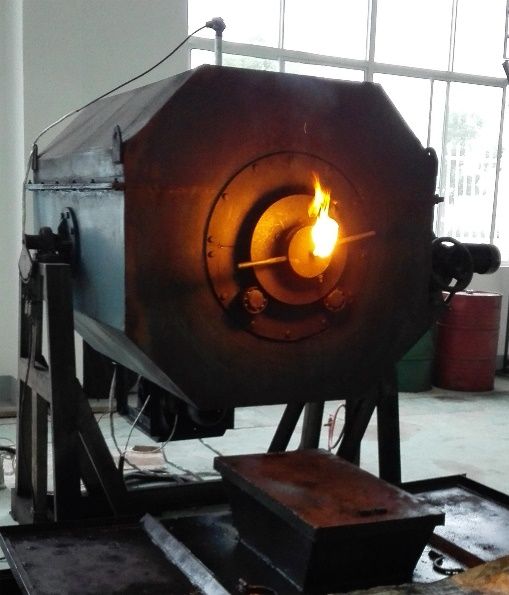
Carburizing: The metal is heated to a high temperature in the presence of a carbon-rich environment. Carbon atoms diffuse into the outer layer of the material, increasing the carbon concentration in that region.
Quenching: After carburizing, the part is rapidly cooled in oil or water to harden the carbon-enriched outer layer.
Tempering: In some cases, the part is tempered after quenching to relieve internal stresses and enhance toughness.
Characteristics:
Surface and Core Difference: The outer surface of the part becomes hardened due to the increased carbon content, which forms harder microstructures such as martensite, while the core remains softer and more ductile.
Depth of Hardened Layer: The depth of the hardened layer can vary based on time and temperature control, and it typically ranges from a few millimeters to a few centimeters.
Carbon Content: The key to case hardening is the diffusion of carbon, which changes the surface composition and structure of steel, making it hard and wear-resistant.
Applications:
Applications: Case hardening is commonly used for parts that require a tough core and a hard, wear-resistant surface, such as gears, bearings, camshafts and crankshafts.
Key Benefits: Case hardening provides a tough core for shock absorption, while the outer surface is hardened to resist wear.
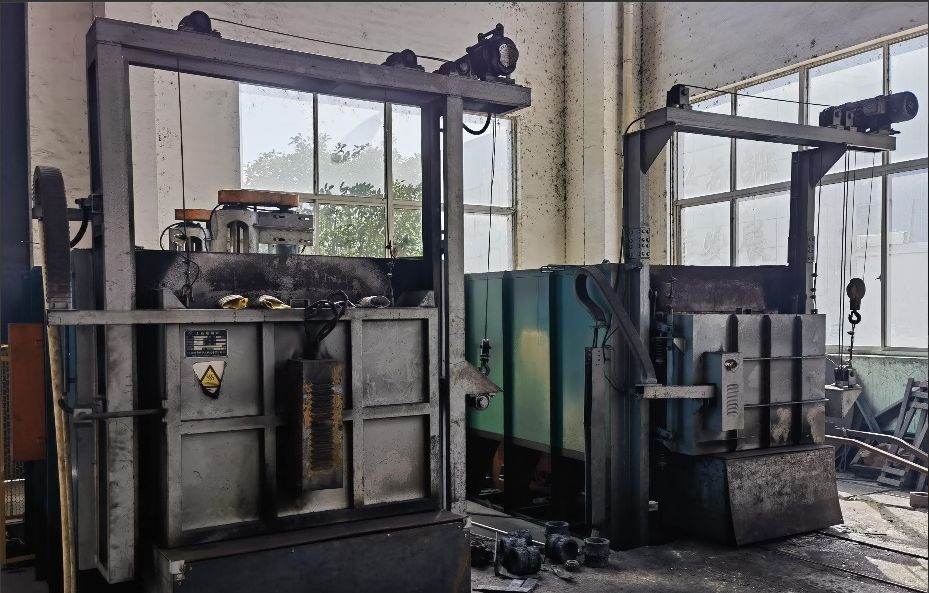
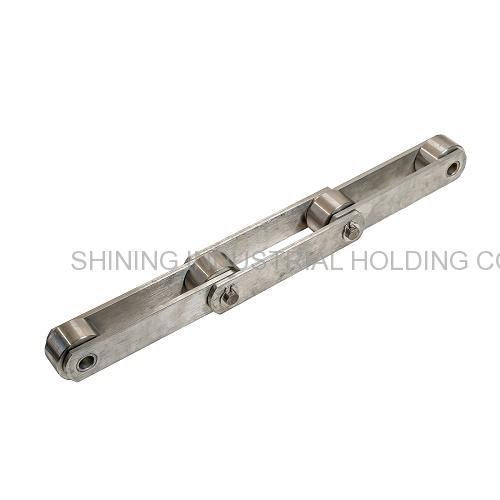
Both processes are essential for different types of machines and components, especially in mining, automotive, and manufacturing industries. At SHINING, we are committed to ensuring the highest quality in all series of our products. When manufacturing conveyor chains, we place a strong emphasis on heat treatment, an important process for enhancing performance and durability of conveyor syetem.With extensive experience,we consistently achieve excellent heat treatment results,ensuring that our chains meet the highest standards of strength, wear resistance, and reliability. It guarantees that every chain we produce delivers optimal results for our clients.
View our website www.shiningco.com to know more about SHINING products.